Behavioural Ecology of Reedbed Avifauna in Herefordshire
Reedbed is a scarce habitat in Herefordshire, with many associated specialist species remaining under-recorded and under-studied across the county. This research project aims to investigate the breeding behaviour and spatial usage of these species at a 5.5 ha private Wetland Ecosystem Treatment (WET) System in Herefordshire between April and August 2026.
The study species are Reed Warbler (Acrocephalus scirpaceus), Sedge Warbler (A. schoenobaenus), Reed Bunting (Emberiza schoeniclus) and Water Rail (Rallus aquaticus), all of which have limited distribution within Herefordshire. Alongside standardised territory mapping methodology, the project will utilise thermal imaging technology to identify and map nest sites and important foraging areas, even in dense reedbed. This methodology enables accurate collection of breeding evidence and spatial data whilst also demonstrating the considerable value of thermal imaging to field ornithology.
The project has three key aims:
- Map spatial usage — use thermal imaging and territory mapping to identify key nesting and foraging areas, helping to inform future habitat management across the site.
- Collect breeding data — confirm breeding activity for the study species and contribute valuable records to Herefordshire’s ornithological database.
- Improve understanding of reedbed specialist species in the county — use the study site as a case study to provide insight into the behavioural ecology of reedbed specialists, helping to inform habitat management decisions at other wetland sites across Herefordshire.
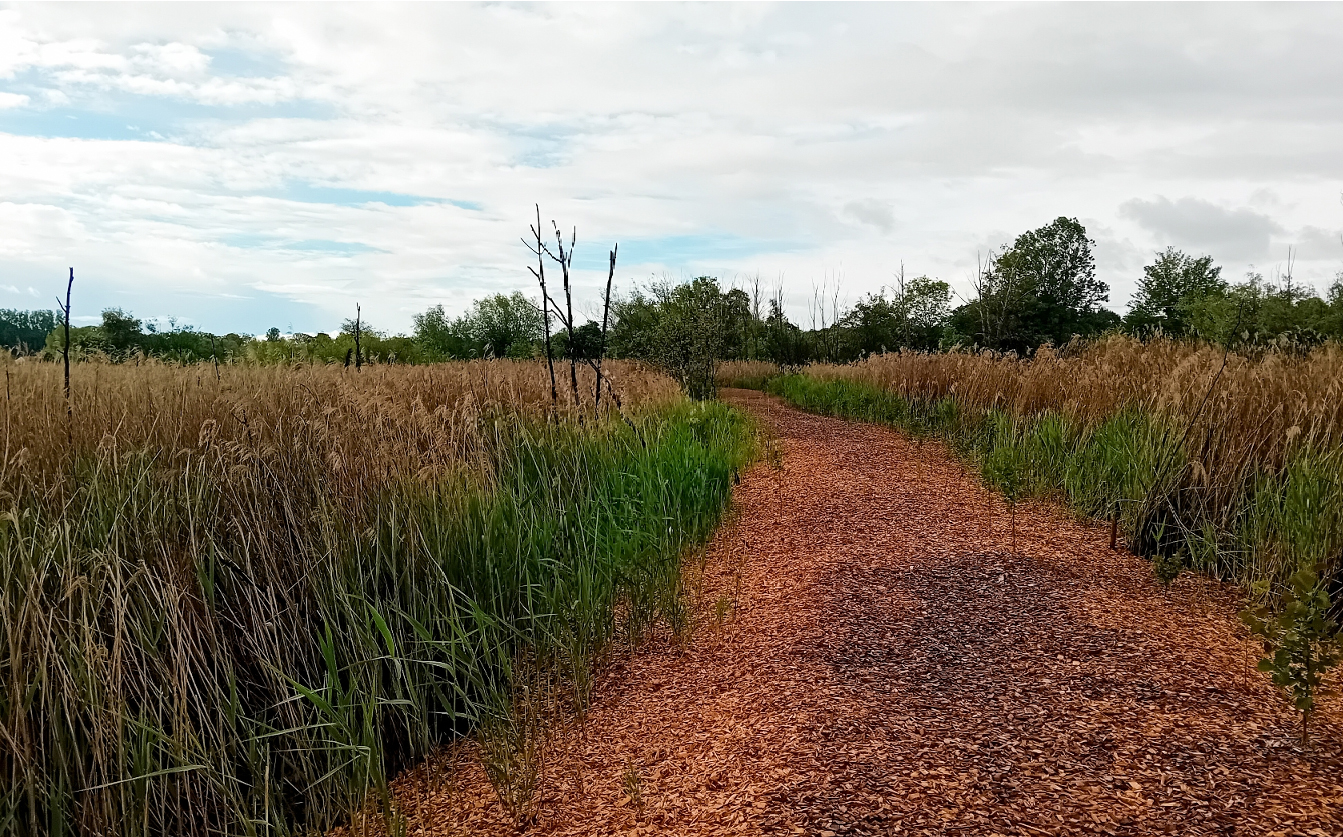 Part of the study site. Photo: William Lambourne
Thermal imaging equipment has proved invaluable during the early stages of the study, as it enables the detection of birds moving, foraging and nesting deep within dense reedbeds, data that would of been otherwise extremely difficult to collect.
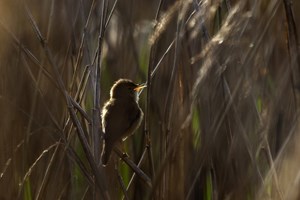
Male Reed Warblers are often conspicuous, singing from exposed reed stems, while females forage lower within the vegetation. Using thermal imaging, the female can be detected, and after extended observation this can confirm a breeding pair.
Although the project is still in the data collection phase, early findings are already proving encouraging. As of May 2026, following four site visits, a total of 21 Reed Warbler territories were identified, including five confirmed breeding pairs. All territories have been located within dense areas of Phragmites, which covers approximately 30% of the site.
Numbers of Sedge Warbler and Reed Bunting have so far been lower than anticipated with only two and one territories recorded respectively. Water Rail have also proved difficult to detect thus far, though this is unsurprising given their highly secretive behaviour.
Breeding Season
Over the coming months, as breeding activity intensifies and birds progress through incubation and the rearing of their first broods, I will be collecting detailed data on local spatial usage, particularly foraging behaviour, aiming to identify the resources that are most critical to reedbed species during the breeding season. Understanding how birds utilise different areas of the reedbed will help reveal the factors that drive breeding success. Throughout the project I will collect as much detailed data as possible, building a comprehensive picture of the behavioural ecology of these fascinating reedbed specialists.
This research is already demonstrating the ecological importance of reedbed habitats in Herefordshire as well as improving our understanding of under-recorded reedbed specialist species. Early results have highlighted significant Reed Warbler breeding activity, while also raising interesting questions about the comparatively low numbers of other reedbed specialists on site.
The study would not have been possible without the generous support of the project’s sponsors; the Cameron Bespolka Trust, alongside Westons Cider and Pulsar UK, provided significant funding towards the purchase of the thermal imaging equipment that underpins the entire field methodology.
William Lambourne May 2026.
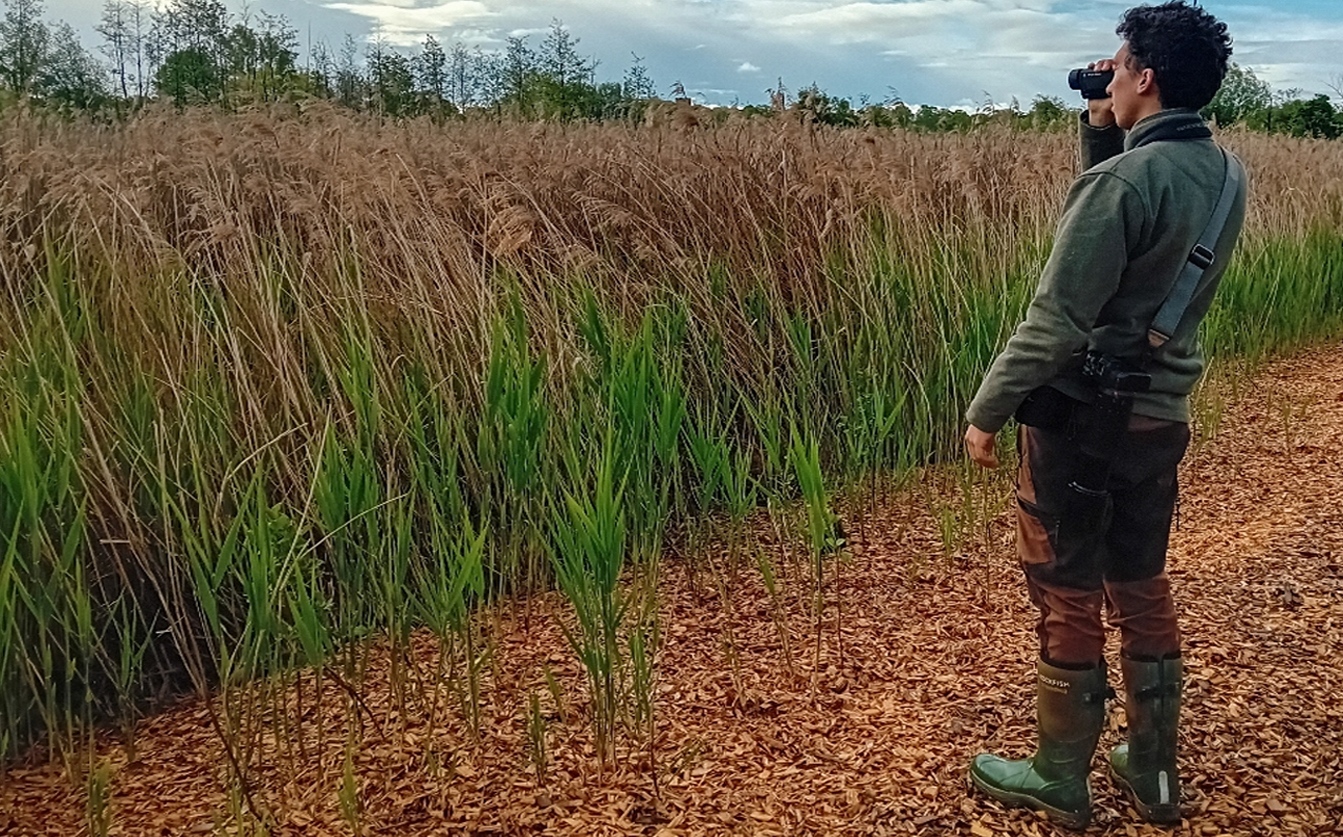 The thermal imager in use. Photo: William Lambourne
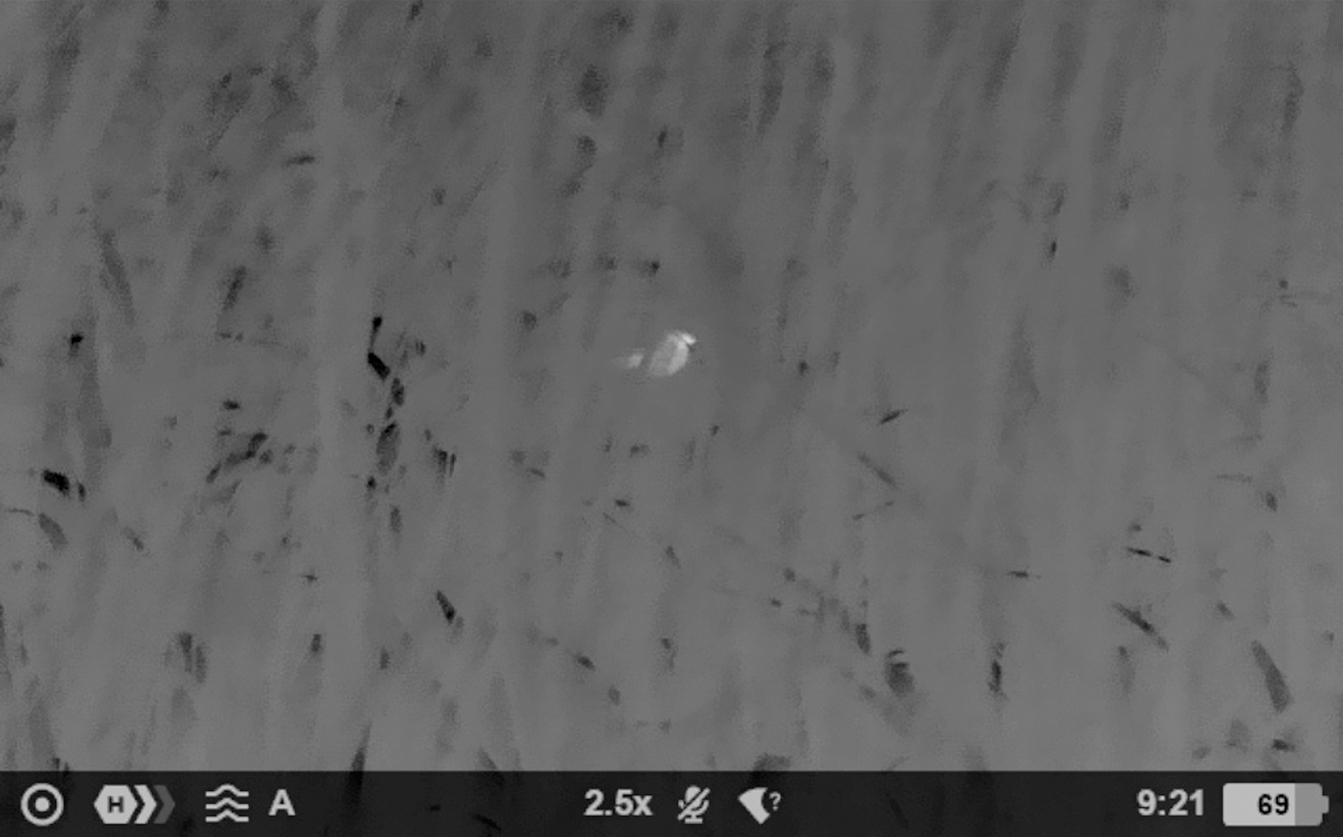 An image taken of a Reed Warbler using the thermal imager. Photo: William Lambourne
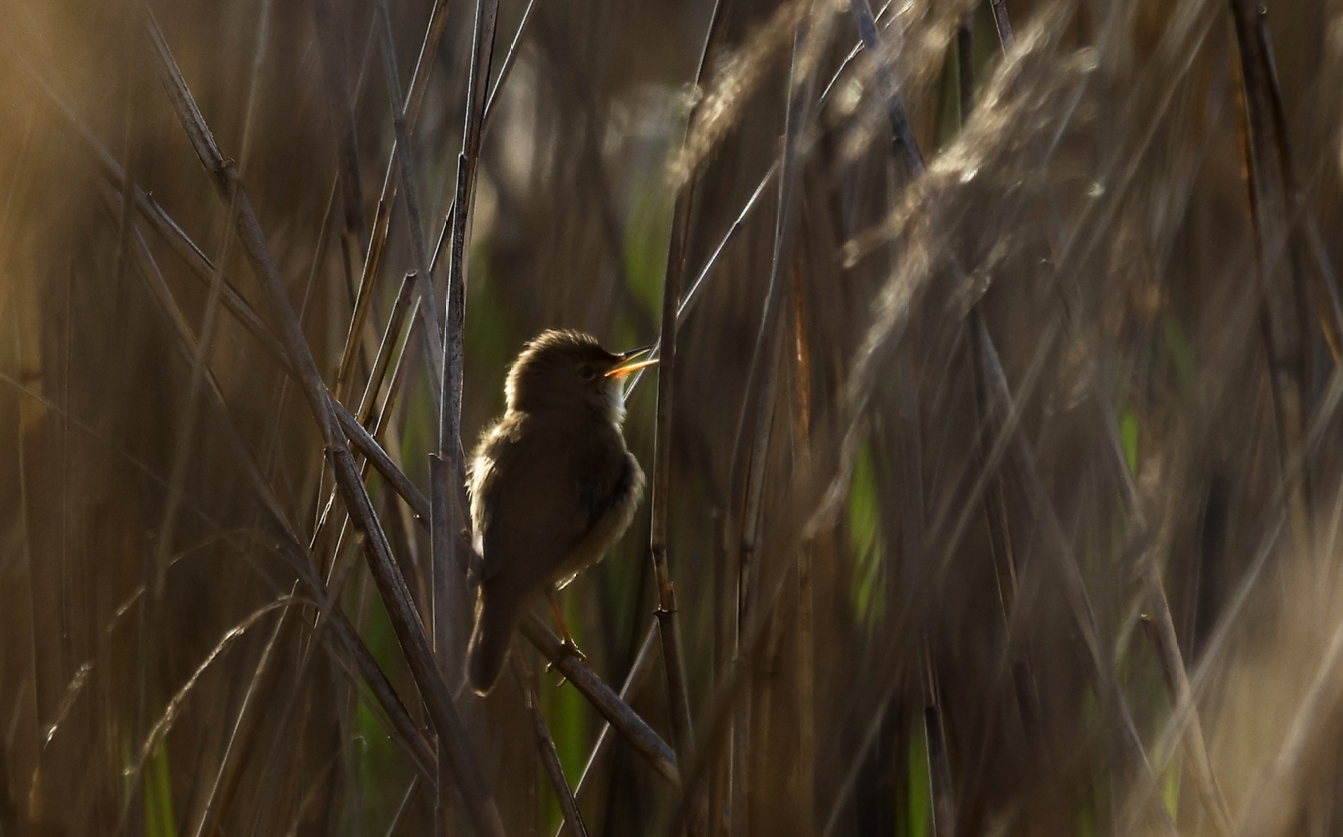
Singing male Reed Warbler. Photo: William Lambourne